
Why Partnering With a Hairstylist Who Understands Textured Hair Matters More Than Following Hair Trends Online
If you spend any time on hair TikTok, YouTube, or Instagram, you’ve likely come across popular routines like the Curly Girl Method, the Abbey Yung Method, or the LOC/LCO method. These approaches promise healthier hair, better curls, and long-term results — and for some people, they can be helpful starting points.
But for many clients with textured, curly, coily, or multi-texture hair, following these methods without personalization often leads to dryness, buildup, frizz, or breakage.
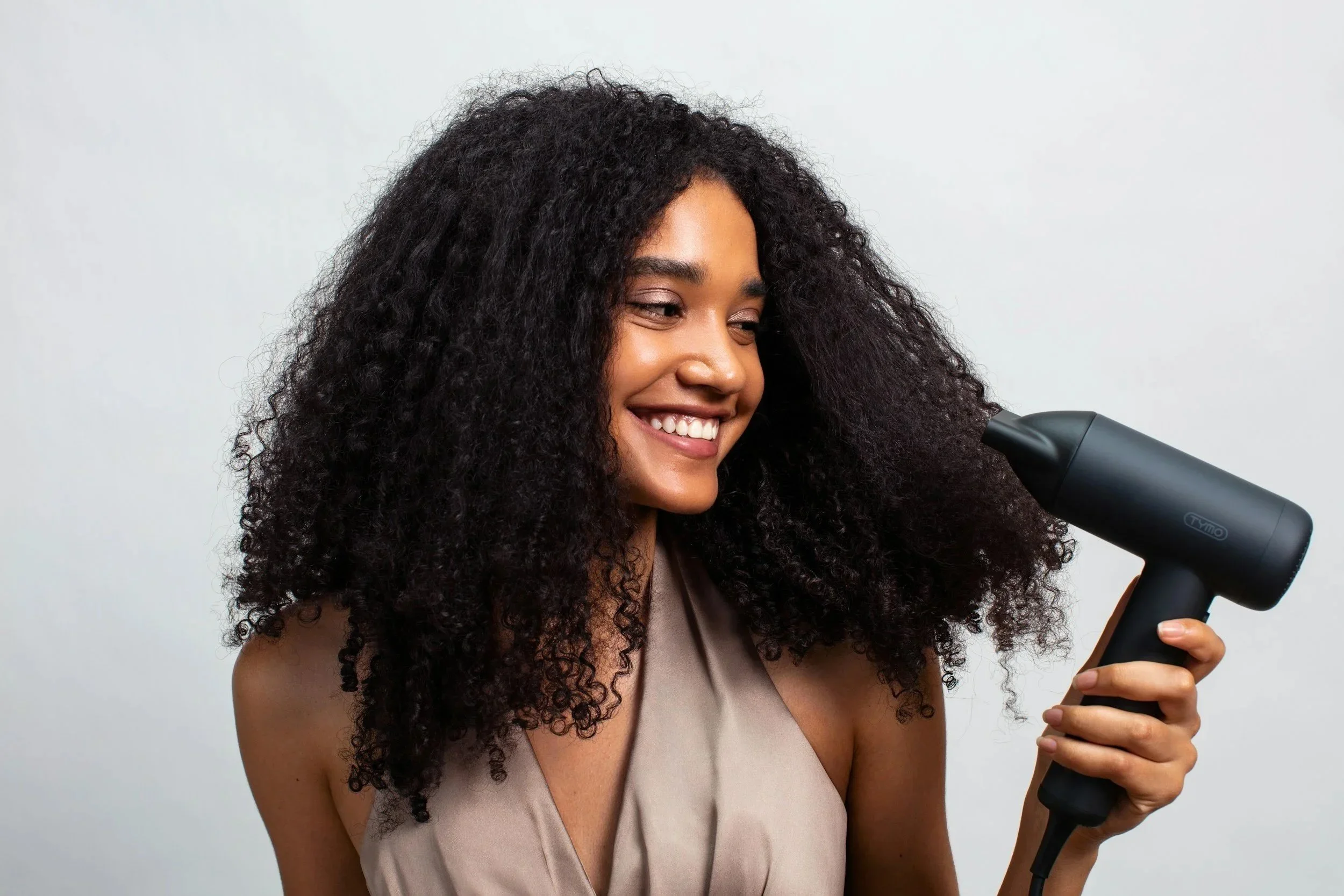
Here’s why partnering with a professional hairstylist who understands your hair, your lifestyle, and your environment is far more effective than relying on one-size-fits-all routines found online.
Hair Is Personal — Internet Methods Are Not
Online hair methods are designed to be general. They rely on fixed rules, ingredient lists, or step-by-step routines meant to work for large audiences.
Healthy textured hair doesn’t work that way.
Your results are influenced by:
Curl pattern, density, and porosity
Scalp health
Product sensitivity and buildup tolerance
Water quality and climate
How often you wash, style, and exercise
Whether you wear wash & gos, heat styles, or protective looks
A hairstylist considers all of this. A method cannot.
The Curly Girl Method: Helpful Framework, Limited Context
The Curly Girl Method helped many people rethink harsh styling habits and embrace their natural texture. However, strict adherence often creates challenges for textured hair.
Common issues clients experience include:
Chronic buildup from avoiding thorough cleansing
Curls that won’t clump or define
Hair that feels coated, dull, or frizzy
Scalp irritation or sluggish growth
What’s often missing from Curly Girl conversations is context — especially water quality, lifestyle demands, and how hair behaves over time, not just on wash day.
The Abbey Yung Method: Science Without Personalization
The Abbey Yung Method focuses heavily on ingredients, bond repair, and hair science, which can be valuable education.
However, much of this content:
Is based on straight to loosely wavy hair
Is tested in controlled or specific environments
Does not always translate well to textured or multi-texture hair
Doesn’t account for individual moisture tolerance or buildup sensitivity
Textured hair often responds differently to protein, cleansing frequency, and product layering. What strengthens one hair type can leave another feeling dry, brittle, or overloaded.
Education is powerful — but only when it’s interpreted correctly.
The LOC/LCO Method: Structure Without Strategy
The LOC (Liquid–Oil–Cream) or LCO (Liquid–Cream–Oil) method is widely recommended for textured hair as a way to “seal in moisture.”
While the concept can be helpful, it’s frequently misunderstood and overused.
Common issues with strict LOC/LCO routines include:
Heavy layering on hair that doesn’t need it
Product buildup that blocks moisture instead of sealing it
Hair that feels greasy but still dry
Reduced curl definition and increased frizz over time
Moisture isn’t just about layering products — it’s about clean hair, proper penetration, and balance. Without appropriate cleansing (and occasional chelation when needed), LOC/LCO routines can trap buildup and prevent curls from behaving as they should.
Textured Hair Needs Informed Customization
Textured hair is structurally different and highly responsive to its environment. It often requires:
Strategic cleansing, not just gentle cleansing
Periodic resets to remove buildup
Thoughtful protein and moisture balance
Styling routines that fit real-life schedules
Adjustments as hair, lifestyle, and seasons change
A hairstylist looks at patterns over time — not just ingredients or steps.
That level of care doesn’t come from a checklist.
Your Lifestyle Matters More Than Any Hair Method
Do you:
Work out regularly?
Need styles that last more than one day?
Alternate between natural styles and heat?
Prefer low-maintenance routines?
Want healthy hair and flexibility?
Most online hair methods don’t account for this.
A professional hairstylist builds routines that support your lifestyle — not restrict it.
Why Working With a Specialist Changes Everything
When you partner with a stylist who understands textured hair, you’re not following trends — you’re following a customized care plan.
That includes:
Proper cleansing and buildup management
Curl-specific styling education
Realistic maintenance schedules
Preventative care instead of damage control
Long-term hair health, not viral results
This is informed care — not trial and error.
Hair methods like the Curly Girl Method, Abbey Yung Method, and LOC/LCO method can be useful educational tools — but they are not substitutes for professional guidance, especially for textured hair.
Your hair doesn’t need another rule.
It needs knowledge, context, and consistency.
If you’re ready to move beyond guesswork and get a routine that actually supports your curls, booking an appointment is the best place to start. It allows us to properly cleanse, assess your hair, and build a plan tailored to you.
Is the Curly Girl Method bad for textured hair?
The Curly Girl Method isn’t bad, but it can be limiting for textured hair when followed too strictly. Many people experience buildup, lack of curl definition, or scalp issues because the method doesn’t account for individual needs like cleansing frequency, water quality, or lifestyle.
Does the Abbey Yung Method work for curly or textured hair?
The Abbey Yung Method offers helpful education around ingredients and hair science, but it isn’t designed for all hair textures. Textured hair often responds differently to protein, cleansing routines, and product layering, which is why professional interpretation matters.
Is the LOC or LCO method necessary for textured hair?
The LOC/LCO method can help some people retain moisture, but it’s not required for healthy textured hair. When used incorrectly, it can lead to heavy buildup, blocked moisture, and frizz. Clean hair and balanced hydration matter more than strict layering rules.
Why doesn’t my hair respond well to viral hair routines?
Viral hair routines are generalized and don’t account for individual factors like hair density, porosity, scalp health, environment, or lifestyle. What works for one person online may not work for your hair long-term.
How does working with a hairstylist improve textured hair health?
A hairstylist creates a personalized care plan based on how your hair actually behaves over time. This includes proper cleansing, moisture balance, styling techniques, and maintenance routines that support long-term hair health instead of quick fixes.
When should I book a professional Wash & Go or consultation?
If your curls feel dry, frizzy, undefined, or hard to manage despite following popular methods, it’s a good time to book a professional service. A Wash & Go or consultation allows for proper cleansing, assessment, and customized guidance.